


Key Attributes
Other Attributes
|
Place of Origin |
Zhejiang, China |
| Brand Name | FuYue |
| Model Number | steel cord rubber conveyor belt |
Packaging and Delivery
|
Packaging Details |
Standard export packing or according to customers' demands |
|
Port |
Ningbo/Shanghai |
Supply Ability
|
Supply Ability |
10000 Meter/Meters per Day |



FAQ
Q1. Are you a factory?
Yes,Since 1989 ,focused on rubber conveyor belt design,manufacturing ,service more than 30 years
Q2. What 's your main products?
Steel cord conveyor belt ,Multi-ply conveyor belt ,chevron conveyor belt ......
Q3: Whats you production capacity
Max belt weight 30 tons ,Max length of roll 1000 meter,Max belt width 2800mm
Q4. What about the lead time?
Within 30days, If urgent,we have green channel
Hot Tags: steel cord rubber conveyor belt, China steel cord rubber conveyor belt manufacturers, suppliers, factory, Steel Cord Conveyor Belt, 17 MPA Rubber Conveyor Belt, EP Polyester Rubber Conveyor Belt, OEM Rubber Conveyor Belt, OEM Industry Conveyor Belt, EPDM Rubber Conveyor Belt

Steel Cord Rubber Conveyor Belt FAQ
What is a steel cord rubber conveyor belt?
A steel cord rubber conveyor belt uses steel cables embedded in rubber as its core reinforcement. Designed for heavy-duty applications, it offers high tensile strength, minimal elongation, and durability, ideal for long-distance transport of heavy materials in industries like mining, ports, and steel production.
Why choose steel cord over fabric reinforcement?
Steel cords provide superior tensile strength, reduced elongation, and longer service life compared to fabric. They excel in high-tension, long-distance, and heavy-load scenarios, minimizing maintenance and downtime.
How are these belts constructed?
Core: High-carbon steel cords for strength.
Rubber Layers: Top and bottom covers protect against abrasion, impact, and environmental factors.
Compounds: Custom rubber (e.g., heat-resistant, oil-resistant) tailored to specific environments.
Which industries use steel cord belts?
Common in mining (coal, ore), ports (bulk handling), steel plants, power stations, and cement production due to their ability to handle harsh conditions and heavy loads.
Installation & Maintenance Tips
Installation: Ensure proper tensioning, alignment, and professional splicing to avoid failures.
Maintenance: Regular inspections for wear, cuts, and cord exposure. Clean belts to prevent material buildup. Schedule professional checks annually or biannually.
Safety Considerations
Risks: Snapping under tension, sharp edges from damage.
Protocols: Follow lockout/tagout procedures, use PPE (gloves, goggles), and train workers on handling and emergency protocols.
Common Issues & Solutions
Cuts/Tears: Address material impact with abrasion-resistant covers.
Elongation: Ensure correct tensioning during installation.
Splice Failures: Use certified technicians for splicing.
Corrosion: Opt for anti-corrosive treatments in humid/chemical environments.
Choosing the Right Belt
Consider load weight, speed, conveyor length, environmental conditions (temperature, chemicals), and pulley diameter. Consult manufacturers for tailored solutions, including incline capabilities and dimensions.
Environmental Impact
Pros: Longevity reduces waste; energy-efficient due to low slippage.
Cons: Rubber disposal challenges. Seek recycling programs for steel/rubber components.
Cost Considerations
Higher initial cost but lower lifecycle cost due to durability and reduced downtime. Compare total ownership costs with fabric belts for long-term savings.
Standards & Compliance
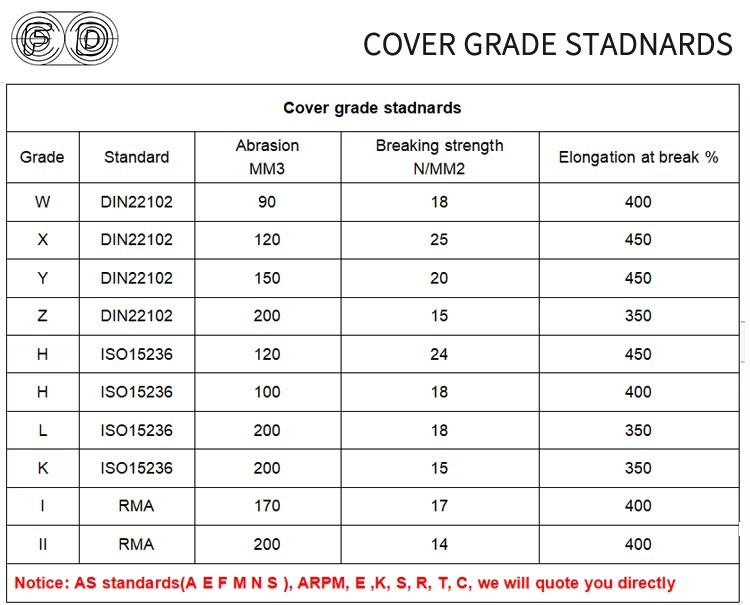
Adhere to ISO 15236, DIN, or RMA standards for safety and performance. Compliance ensures reliability and meets insurance/liability requirements.
Lifespan Expectations
5–15 years, depending on usage intensity, environment, and maintenance. Regular inspections extend service life.
Finding Reliable Suppliers
Look for manufacturers with ISO certification, industry experience, and positive reviews. Regions like Germany, China, and the USA host reputable suppliers offering technical support and after-sales services.
This FAQ provides a concise overview of key aspects, balancing technical detail with accessibility for informed decision-making.


